IN THIS ARTICLE
If you’re catching waves but still struggling to get to your feet cleanly, often wipeout or get stuck in the whitewater once standing up, there’s a good chance you’re making one of the 5 common mistakes in this article. Fixing just one of them can completely change how you ride waves. So let’s break them down and show you exactly how to fix them.
CONTENT
1. Looking Down
Let’s start with one of the most common habits: looking down at your feet when taking off.
While walking on a tightrope or balancing beam, you look forward, not at your feet. Surfing is no different. When you look down, your head drops, your spine curves, and your body follows, which usually makes you fall off your surfboard.
Looking down also limits the space between you and your surfboard, which makes it much harder to bring your front foot through.
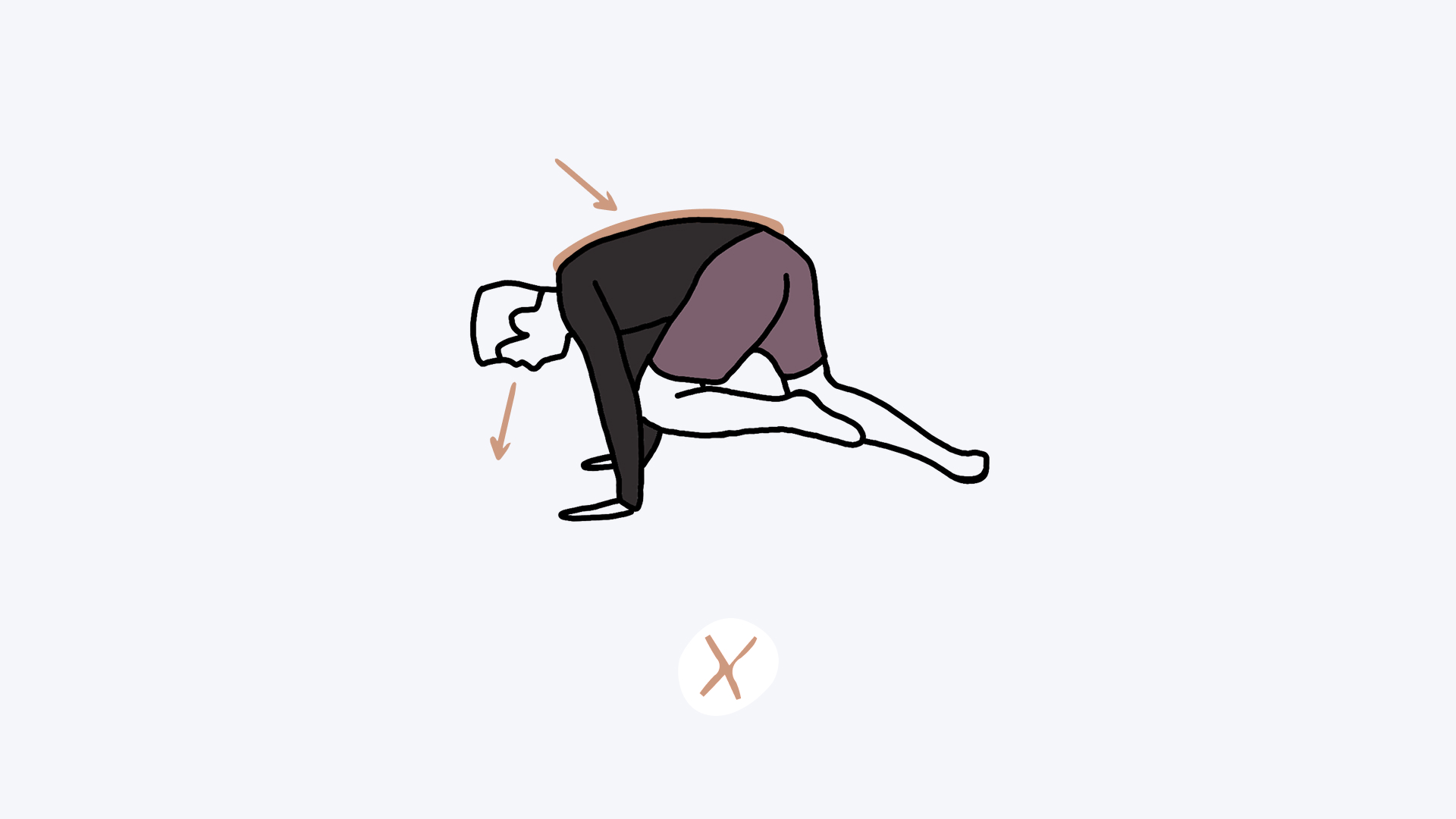
Even if you do successfully get to your feet, you’re not looking where you want to go. Instead of gliding down the line, you’re likely to drop straight forward and get stuck in the whitewater.
From the moment you start popping up, lift your chest, arch your back, and set your eyes on the direction you want to ride.
2. Using the Knees
Number two, using your knees to get up. Unless a physical limitation prevents you from getting to your feet without using your knees, don’t do it.
Using the knees slows everything down and can make you feel off balance, so your chances of making the section drop considerably, especially on steeper waves.
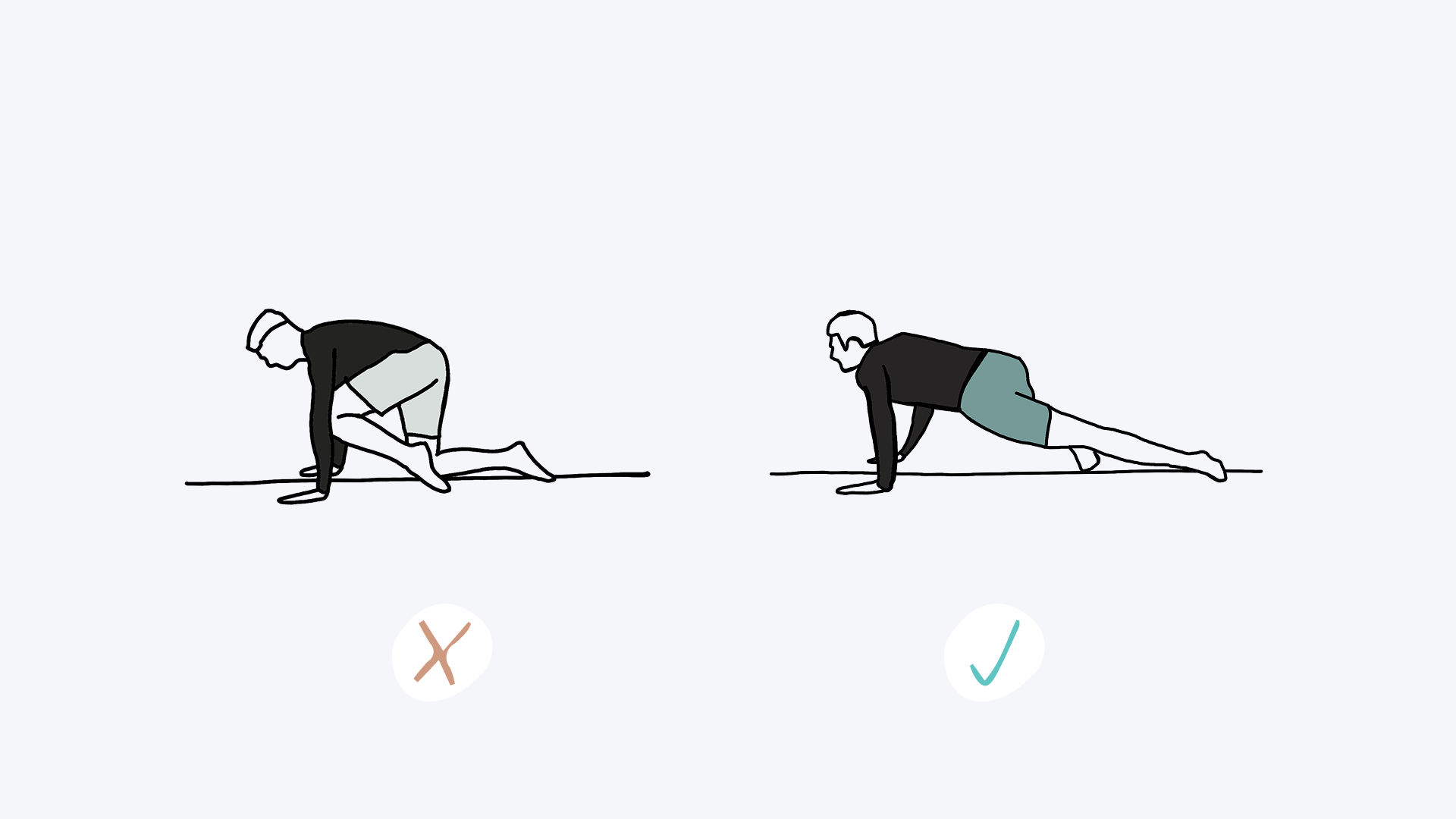
From what we’ve seen, the front foot often lands off-center or doesn’t come far enough forward. Even when surfers manage to recover, they waste precious time readjusting and can end up stuck in the whitewater.
Instead, focus on learning a clean take-off technique, pushing up with your hands and back foot so you skip using the knees entirely.

3. Not Creating Space with the Back Foot
Mistake number three is not using your back foot to create space. This one is subtle but can make a massive difference.
It’s a common misconception that surfers need to jump on their surfboard with both feet at the same time. This isn’t optimal, especially for novices, as it drastically increases the chances of a wipeout.
Most experienced surfers plant their back foot first, even if it’s for a fraction of a second. This way, they can use the back foot to create space, allowing the front foot to slide cleanly into place.
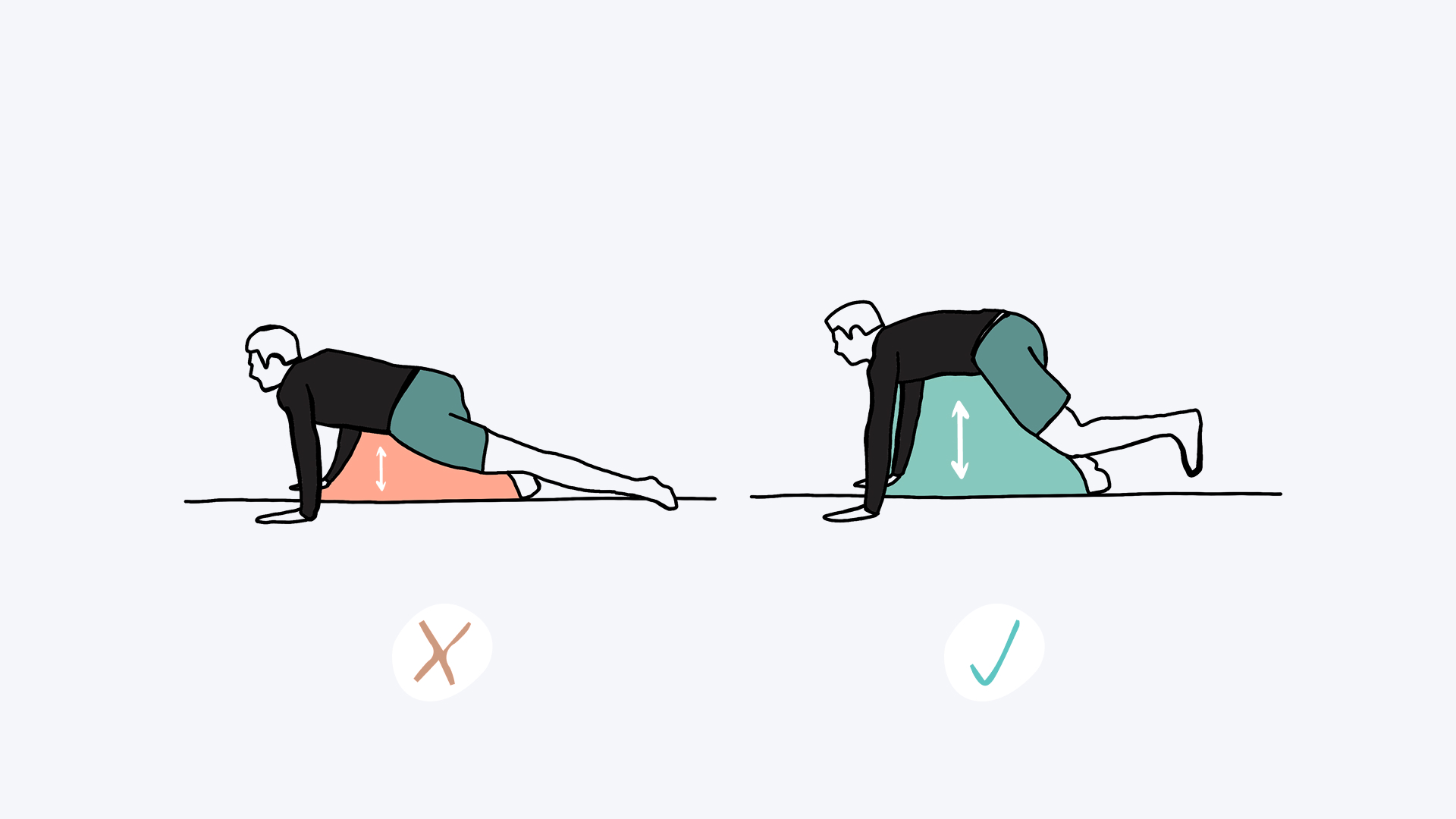
If you bring the front foot first, it can be challenging to bring it far enough and centered on the surfboard. Often, the back foot ends up being too far backwards, and surfers lose time readjusting their feet.
If you still struggle with bringing your front foot forward, try extending your back leg and lifting your hips higher by pushing up from your back foot. This gives you more space to land the front foot properly.
4. Using the Hands Incorrectly
Number 4 is about where you put your hands on the surfboard, which can be the key to a smooth pop-up or the reason you wipe out. The best place to put your hands is under your pectorals, not any higher. When your hands are too far forward, it becomes almost impossible to proceed with your takeoff and bring your front foot forward enough.
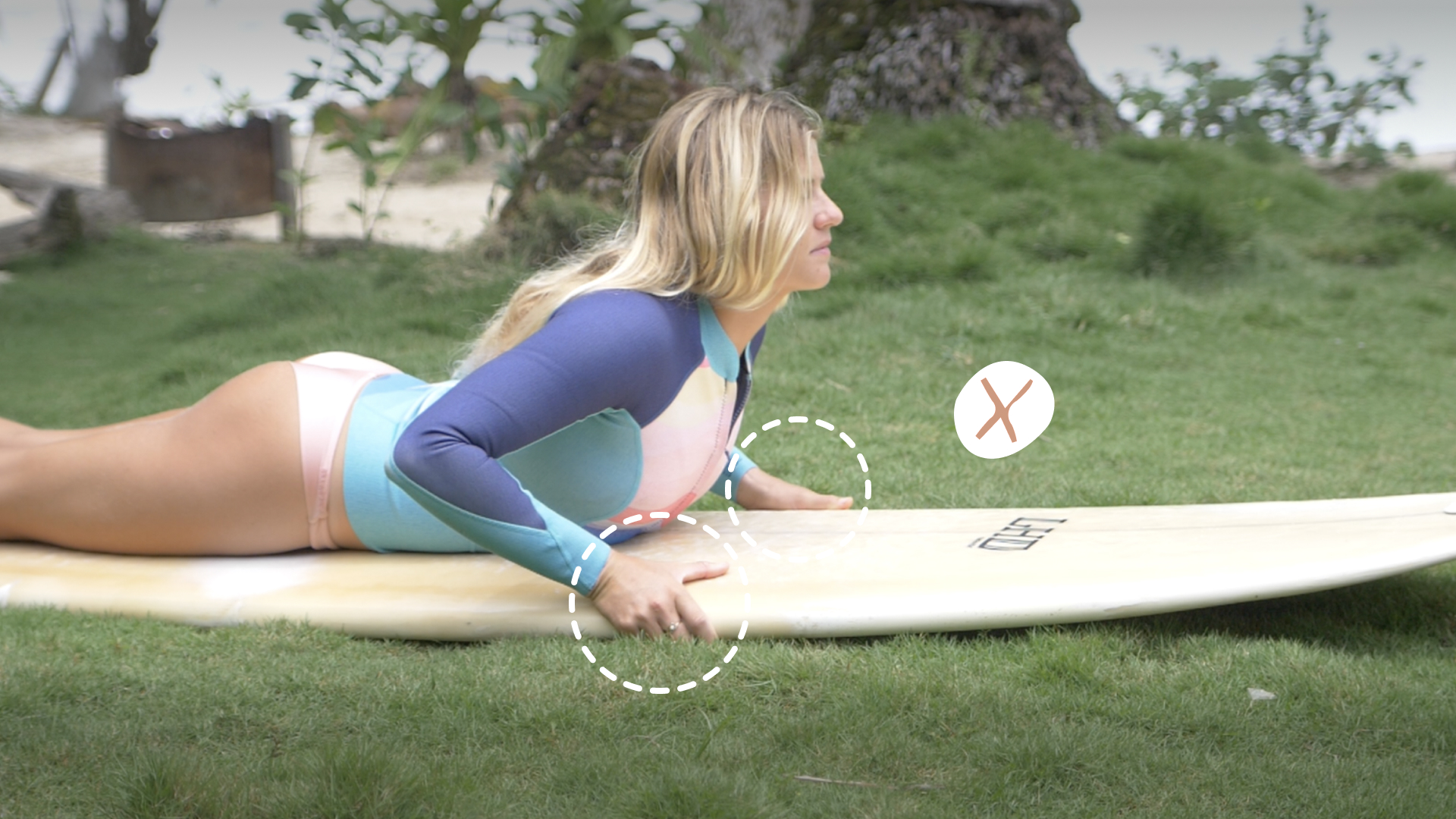
We recommend keeping your hands flat on the deck. Avoid grabbing the rails; it can make it a bit harder to keep your balance.
Make sure you don’t release your hands too early. Releasing one hand too soon before having the feet planted and feeling balanced is one of the most common reasons for wipeouts.
5. Not Twisting the Hips
Even if your hands are placed correctly and you’ve created space using your back foot, if you don’t rotate your hips as you bring your front foot through, your knee can get stuck behind your arm, and the foot can land off-center or not far enough forward.
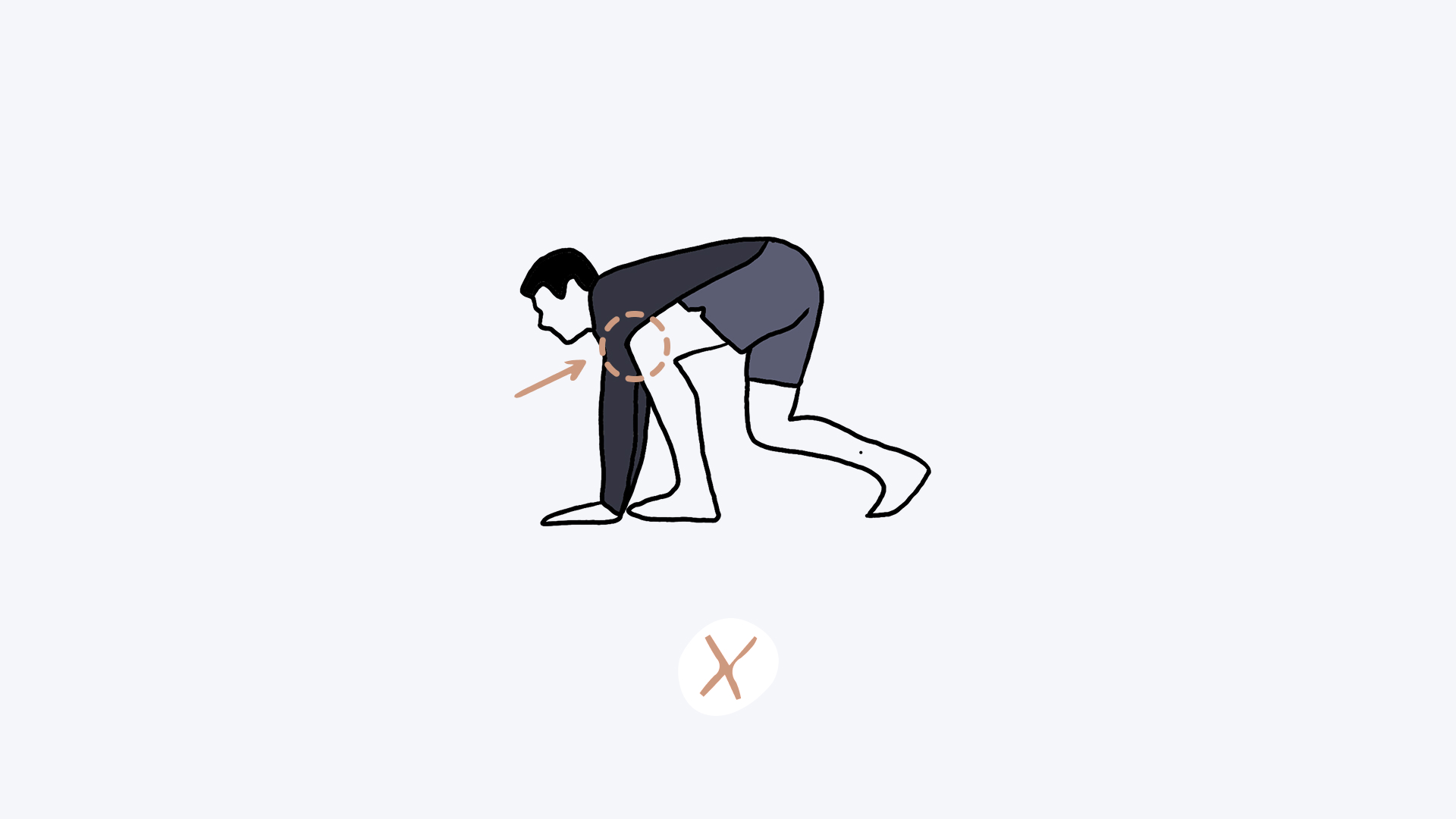
When this happens, surfers either fall or have to do a shuffle to reposition their foot. Think about twisting your hips during the pop-up. For regular-footers, that means rotating to the right; for goofies, to the left.
Twisting the hips has 3 massive benefits:
- It makes it easier to bring the feet forward.
- Twisting the hips changes the angle at which the knee is brought forward, limiting the chances it gets stuck behind your arm.
- You can take off while keeping your hips lower, which maximizes your balance during takeoff.
Practicing this at home can be extremely beneficial. You can use a mirror or a camera to check if you’re doing it right.
These five mistakes are common, but totally fixable. Focus on just one at a time, practice on land, and get footage of your surfing if you can.
Watch our “5 Take-Off Mistakes Holding you Back & How to Fix Them” new YouTube Video: